Postpartum Urinary Incontinence: Exactly How To Take Care Of Loss Of Bladder Control After Birth
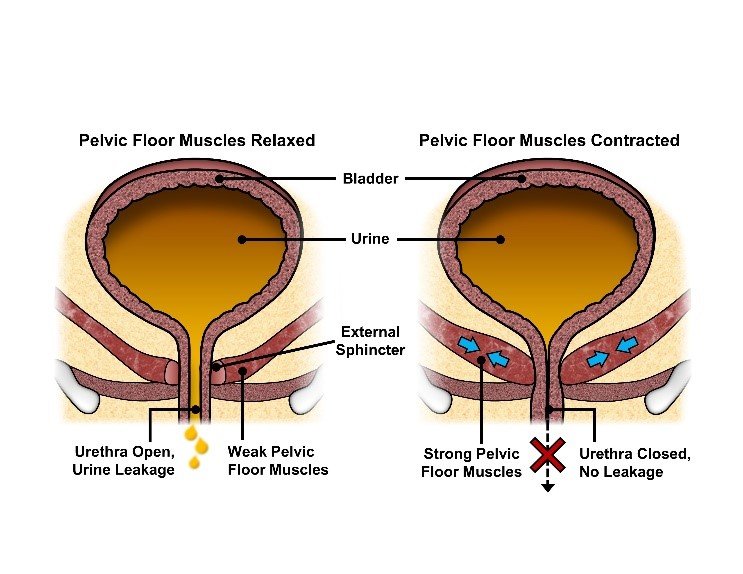
Postpartum Urinary Incontinence: Causes And Treatments If you're not familiar with this workout, begin incontinence-Direct by determining your pelvic floor muscular tissues. This can be done by pretending your tightening your vaginal canal around a tampon or by acting you're attempting to stay clear of passing gas. As soon as you have actually identified those muscle mass, you can include kegel sessions to your daily schedule. Kegels can be done lying down or taking a seat and should only focus on tightening your pelvic floor muscular tissues, not your abdomen, upper legs, or buttock. Nonetheless, prompt expert treatment properly restoring harmed helpful connective cells and overlengthened muscular tissues brings back anatomy and feature, managing leakages throughout activity. It occurs when tasks like laughing, sneezing, or exercise taxed your bladder. This sudden, increased pressure reasons percentages of urine leak. Urinary system incontinence also becomes even more typical as a lady ages-- particularly throughout menopause. During menopause, changes in estrogen integrated with years of wear-and-tear on your pelvic flooring muscles make anxiety incontinence more likely. Two nerves, called the pudendal and the pelvic nerves, rest on each side of the birth canal within the muscle mass that are directly under the child's head. Due to the fact that they are so near to the infant's head, these nerves are particularly vulnerable to the pressures of labor. The pudendal and pelvic nerves bring the signals from the mind to the muscle mass that hold the bladder and anus in position. If these nerves are hurt, the signals indicated for the muscles around the bladder, vagina, and anus may not be sent correctly. Without excitement from the nerves, the pelvic muscular tissues, like any underused muscle mass in the body, can become weak and drooping. Some research studies show adjustments in the feature of these nerves in majority of ladies following genital distribution. Seventy-three percent of females with UI 3 months post-partum still report UI at 6 years post-partum [6] Ladies frequently experience UI as awkward and humiliating, resulting in loss in quality of life [8] However, most females that deliver vaginally stay continent, so no person is suggesting that all ladies have cesarean sections to avoid the possibility of later urinary incontinence. We plainly do not understand all the elements that establish that establishes urinary incontinence, so cesarean area would not be required in several women with long or tough labors. With our present understanding, numerous ladies would certainly need to have cesareans in order to prevent one female from creating incontinence.
Assistance
- Overflow incontinence is a less common form of postpartum incontinence.
- After delivering, these muscle mass may be stretched, damaged, or temporarily harmed, making it more challenging to fully manage bladder or digestive tract feature.
- Or calling for solutions of psychoanalysts or social employees during pregnancy.
Does Cesarean Section Shield Versus Prolapse And Urinary Incontinence?
Can postpartum bladder prolapse heal itself?
The problem most likely won't vanish by itself and may worsen over time without treatment. We normally advise beginning with traditional therapy strategies whenever feasible. Pelvic floor therapy and Kegel workouts might be all you require to restore your pelvic location to fix placing.
Can Any Type Of Types Of Urinary Incontinence After Childbirth Be Stopped?
Hormonal changes (what else is brand-new?) during and after pregnancy can damage your bladder also. If, along with other postpartum symptoms like perineal pain and constipation, you're discovering that it's harder to manage your bladder after delivering, you're not alone. Consuming percentages of liquid sometimes throughout the day-- instead of a lot of fluid at the same time-- can help manage leaking. If regular nighttime peeing is a trouble, don't consume fluids 3 to four hours before bed. The complete messages of these possibly eligible studies were recovered and separately analyzed for qualification by these two reviewers. Any dispute on eligibility was solved through conversation with a third customer (BB). As the head appears, the pressures can in fact tear the tendons that anchor the pelvic supporting muscular tissues to the pelvic bones. Occasionally the muscle mass near the beyond the vaginal canal is purposefully reduced by the medical professional to help quicken the delivery. We currently recognize this cut, called an episiotomy, increases the danger of anal urinary incontinence.